

How to Prepare for the Physics Olympiad Alongside NEET or JEE
One of the most difficult but equally rewarding aspects is to prepare for the physics olympiad while simultaneously studying for NEET or JEE. A thorough understanding of physics is required for NEET and JEE preparation and an even deeper grasp of the subject with a focus on problem-solving, critical thinking, and application of advanced concepts is needed for the physics olympiad. This blog offers strategies to help you effectively balance Olympiad preparation with your NEET or JEE studies, so you can excel in both. Understanding the Requirements of Each Exam Building a Study Plan that Balances NEET/JEE and Physics Olympiad Preparation To maximise your preparation for both, start by designing a study plan that incorporates both exams’ requirements: Strategies for Physics Olympiad Preparation 1. Deepen Conceptual Understanding 2. Focus on Analytical Problem-Solving 3. Practice Under Exam Conditions Integrating Olympiad Preparation with NEET/JEE Studies 1. Link Olympiad Problems with NEET/JEE Topics 2. Plan Your Revision for Each Exam Separately 3. Join a Physics Study Group Recommended Resources for NEET/JEE and Olympiad Preparation Final Tips for Success Conclusion To crack the Physics Olympiad during NEET or JEE studies demands concentration, discipline and a proper strategy from your end. You can easily get good marks in both the exams if you follow a balanced study plan, have sound knowledge of overlapping concepts and solve Olympiad level problems on a regular basis. The olympiad will not only widen your knowledge of physics but also make you a more confident and resourceful problem solver—qualities that will serve you well in any competitive exam.
The Best Way to Memorise Physics Formulas for GCSE Exams
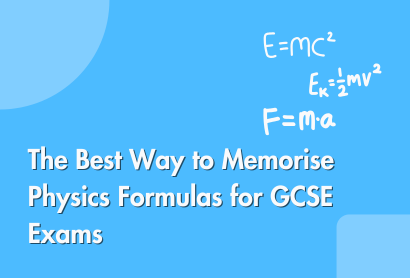
Physics is a thrilling and interesting subject; however, it cannot be denied that it can be challenging especially in terms of remembering the numerous physics formulas to be used in the GCSE exams. Certainly, these formulas need to be mastered because they are used in doing calculations, that will require an understanding of the theories as well as obtaining those valuable marks. This blog will guide you through effective methods to memorise physics formulas efficiently and strategies to help you apply them correctly in your exams. Why Understanding Comes Before Memorization Before diving into memorization, it’s essential to understand the concepts behind each formula. When you understand why a formula works, it becomes much easier to remember it. For example, understanding that F = ma (Force = mass × acceleration) reflects Newton’s Second Law of Motion makes it easier to remember and apply. Here’s how to build a foundation for understanding: Techniques to Memorise Physics Formulas Once you have a foundational understanding, it’s time to memorise. Here are some proven methods that make memorization effective and lasting: 1. Use Flashcards for Active Recall If you are trying to memorise formulas, flashcards could help speed up the process because they leverage active recall—the process of testing yourself to reinforce memory. 2. Develop Mnemonics and Associations Mnemonics and associations are memory aids that help you recall information by linking it to something familiar. 3. Create a Formula Sheet and Concept Map Creating a formula sheet or concept map is one of the best practices to keep all your formulas together based on topic. 4. Practice Writing and Repeating Writing formulas repeatedly may seem old-fashioned, but it’s a highly effective way to reinforce memory, particularly for complex formulas. How to Apply Physics Formulas During Exams Knowing the formulas isn’t enough; you also need to apply them correctly. Here are ways to reinforce application skills: 1. Work Through Practice Problems Practice problems are the single best way to test your grasp of a concept and ensure you can apply it. 2. Use Units as Clues Units can guide you when applying formulas in an exam setting, helping ensure you’re using the right one. 3. Identify Keywords in Questions Certain keywords indicate specific formulas. By practising identifying these keywords, you can quickly determine the formula to use. Common Mistakes to Avoid In the heat of an exam, mistakes can happen. Here’s how to prevent them: Final Tips for Memorization Success Conclusion Memorising GCSE Physics formulas can be challenging, but with these techniques—active recall, mnemonics, practice problems, and careful exam strategies—you’ll be well-prepared. By combining understanding with memorization, regular practice, and smart application, you’ll not only retain the formulas but also know when and how to use them effectively.